
Recruitment & HR Tech API for Job Market Intelligence
Job market intelligence is often a search data problem before it becomes a structured data problem. Which job titles are in demand, which companies are hiring, and what skills candidates keep asking about are visible in public search results. OrbitScraper lets HR technology teams collect those signals programmatically instead of relying on browser tabs and spreadsheet research.
Who this is for
Built for HR technology platforms, recruitment agencies, talent acquisition teams, workforce analytics tools, and staffing firms that need programmatic access to job market signals.
What teams use it for
- Compare hiring demand across cities and countries with location, gl, and hl controls.
- Use people_also_ask and related_searches to discover role, skill, and compensation questions.
- Track company-level hiring signals through recurring job-market queries.
Visual reference
Existing OrbitScraper-style dashboards and workflow surfaces related to this use case.
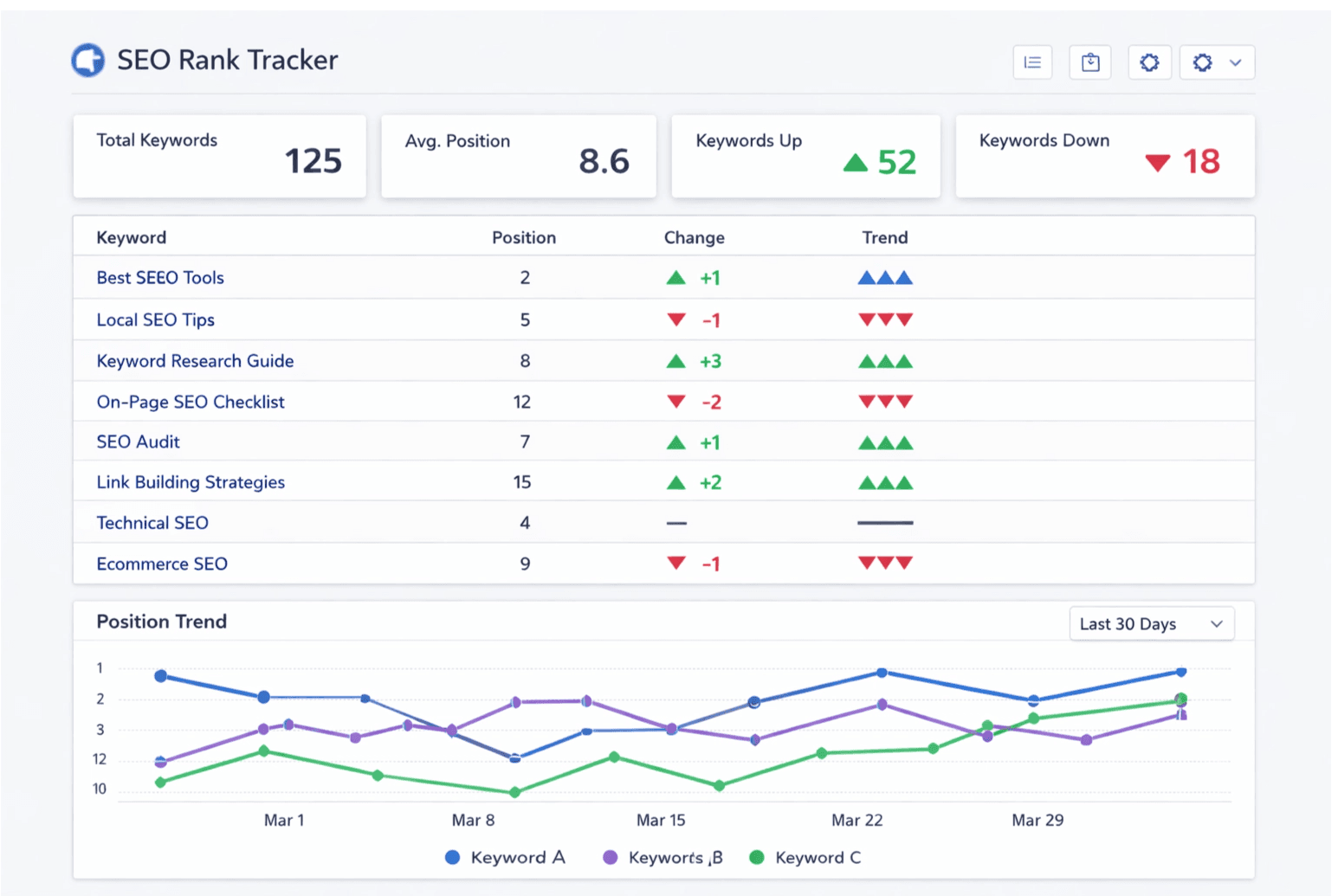
Hiring demand dashboard
Monitor job-title demand and query activity by geography and role category.
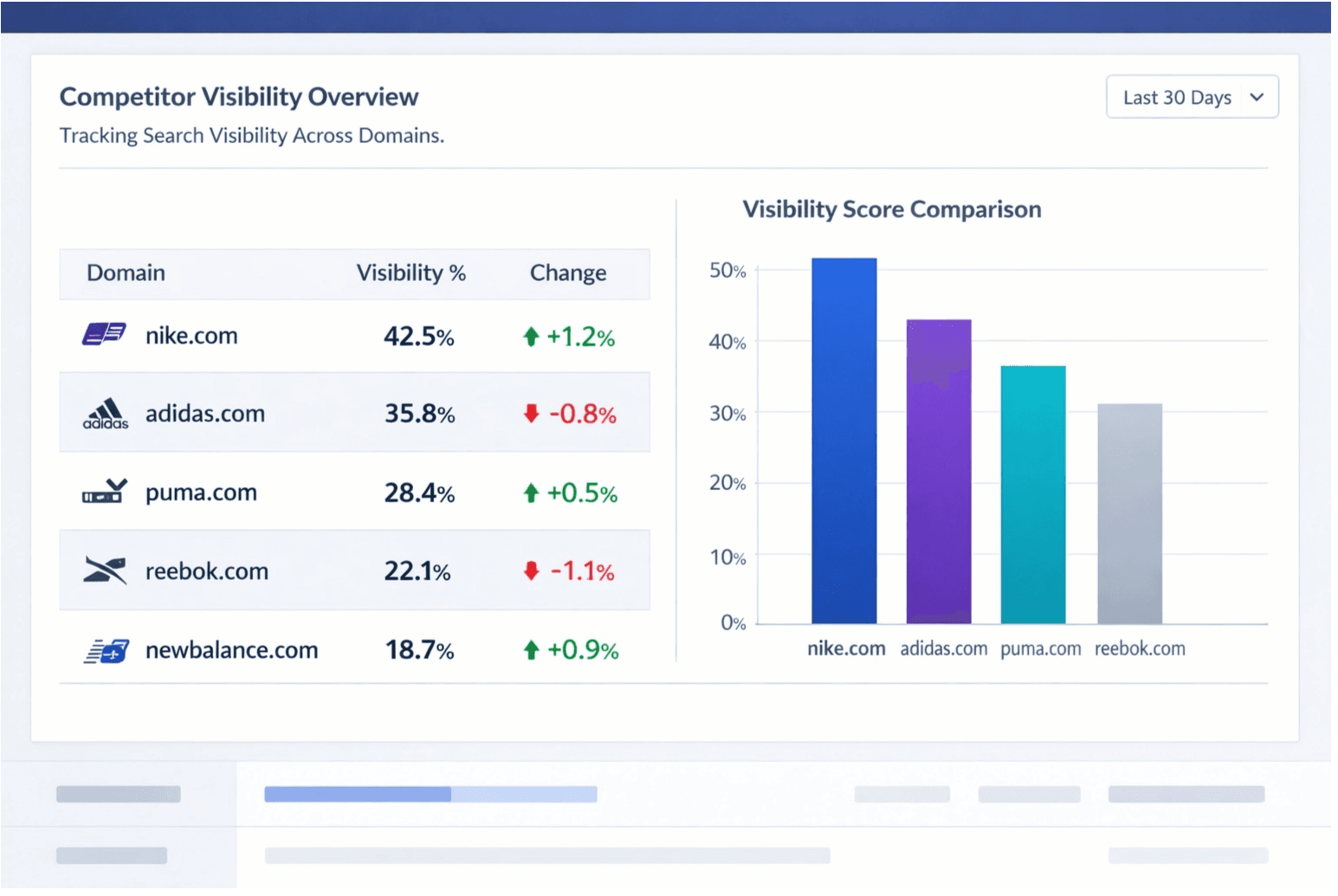
Company activity view
Track which companies keep appearing for hiring-related searches.
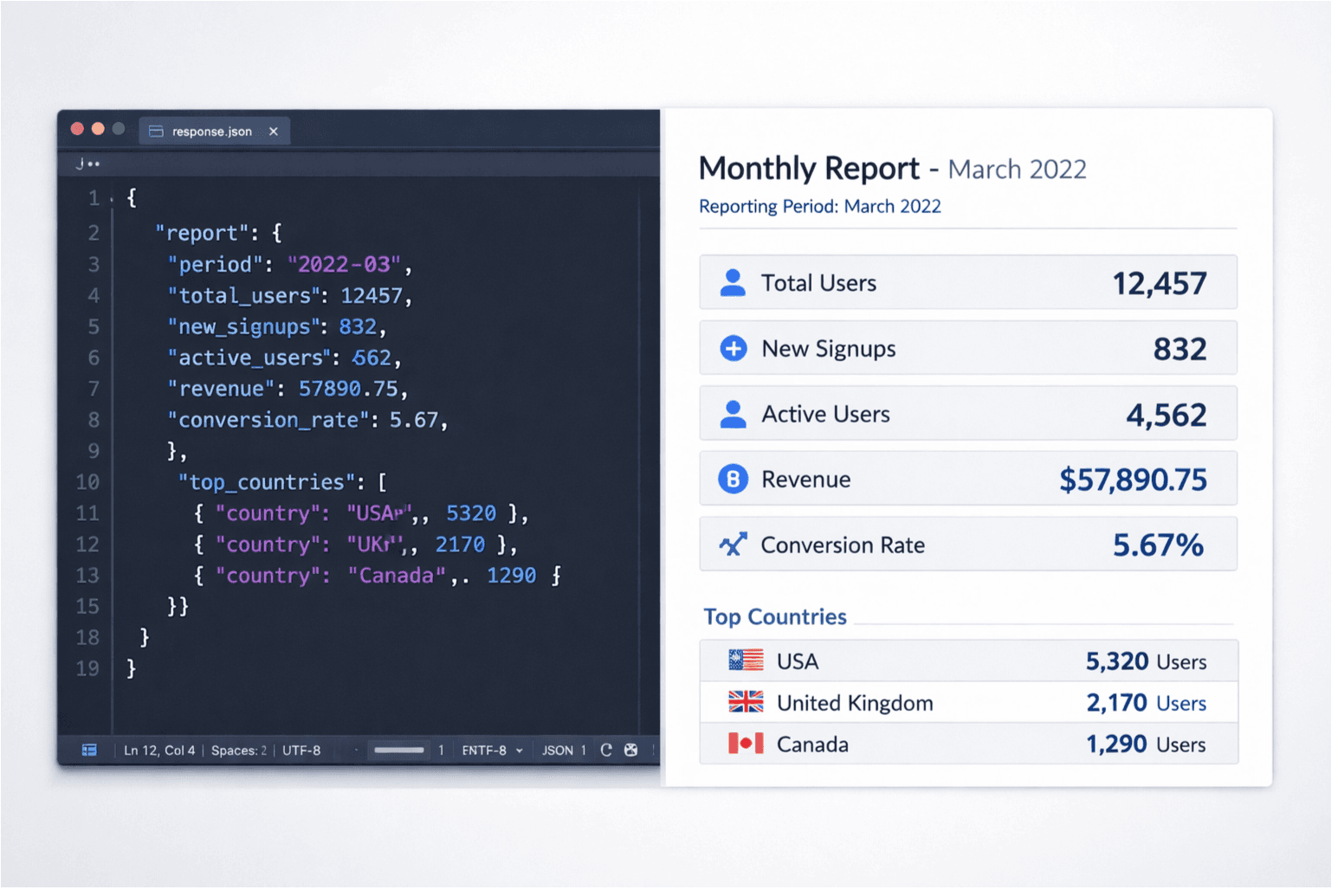
Topic and skills panel
Mine people-also-ask modules for the questions candidates and recruiters care about.
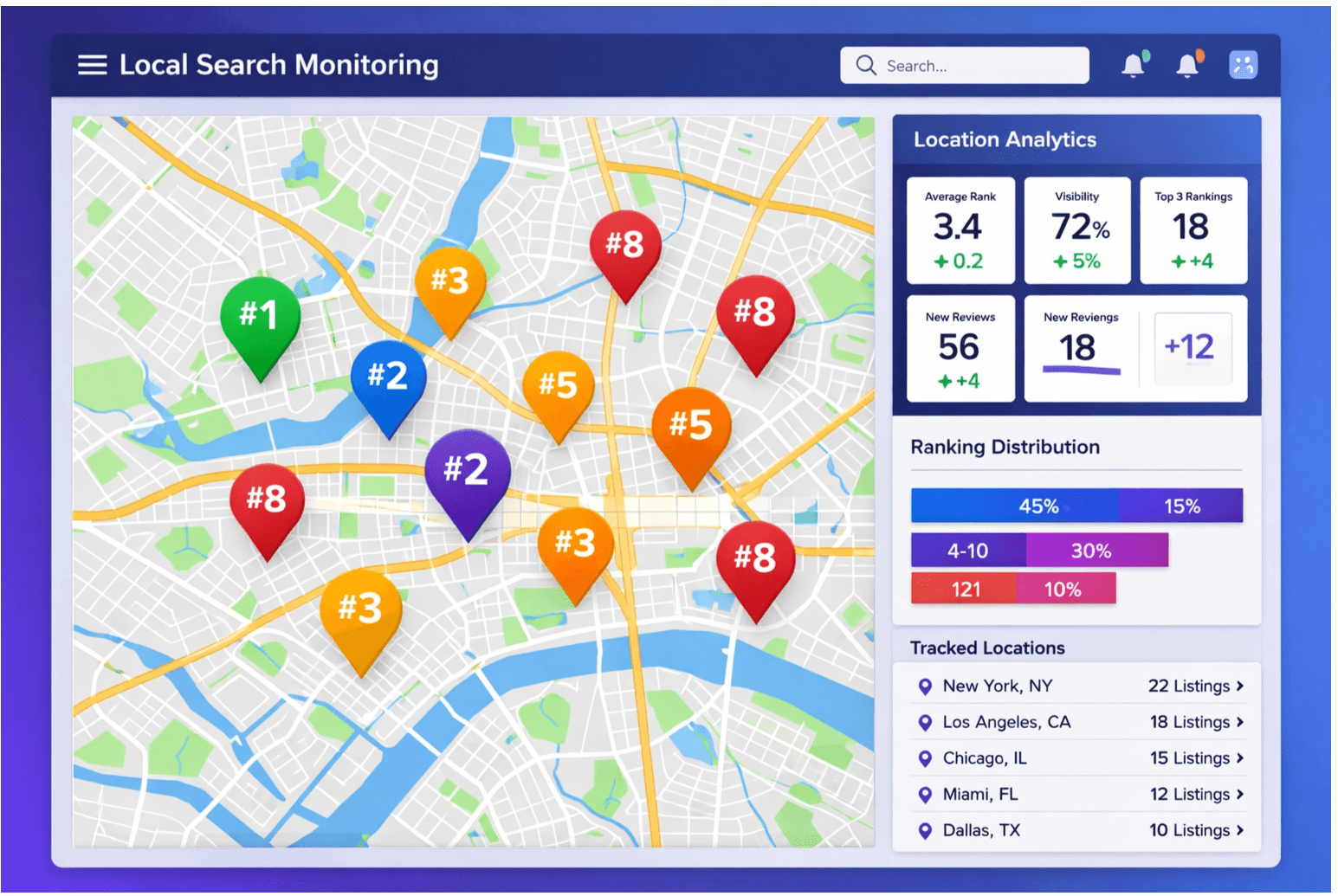
Regional signal panel
Compare demand signals across countries, cities, and languages.
Job market signals from search data
- Keyword demand: recurring job-title searches reveal which roles dominate result sets and where demand appears to be growing.
- Geographic hiring trends: use location plus gl plus hl to compare hiring activity across cities or countries.
- Skill signal extraction: people_also_ask for a job title often reveals the skills, certifications, and expectations candidates care about.
- Company hiring activity: search for a company name plus hiring or jobs with a past_month filter to catch hiring surges.
Code example — regional job demand query
Regional demand request
curl -X POST "https://api.orbitscraper.com/v1/search" \
  -H "x-api-key: ORS_your_key" \
  -H "Content-Type: application/json" \
  -d '{
    "q": "senior machine learning engineer jobs",
    "engine": "google",
    "location": "Singapore",
    "gl": "sg",
    "hl": "en",
    "num": 20
  }'
Skill discovery request
{
  "q": "senior product manager skills requirements 2026",
  "num": 20,
  "time_period": "past_month"
}
people_also_ask for skill signals
{
  "people_also_ask": [
    { "question": "What skills do product managers need in 2026?" },
    { "question": "Is Python required for product managers?" },
    { "question": "What certifications help product managers get hired faster?" }
  ]
}
Workflow patterns for HR platforms
- Job keyword universe building: pull large sets of role queries and count which job boards and career pages show up most often.
- Company hiring surge detection: run weekly company-plus-hiring queries and compare new domains or result counts week over week.
- Compensation research: search salary-plus-location queries and mine people_also_ask for compensation questions.
- Recruitment content planning: use related_searches to expand sourcing, hiring, and candidate-intent keyword sets.
Key parameters for recruitment workflows
- location plus gl plus hl are essential when you want geographic demand analysis.
- time_period: past_month is usually the best default for current hiring activity without excessive noise.
- people_also_ask surfaces skill and role questions worth storing in talent dashboards.
- related_searches expands the role and job-title universe without manual brainstorming.
- num: 20 helps capture more of the competitive set of job boards and career pages.
Build this workflow with OrbitScraper
Start with the product tags above, wire the request pattern into your app, and use the structured response fields that match this workflow. OrbitScraper is most valuable when your team stops manually checking search results and starts treating search data like a dependable input to software.