
B2B Lead Generation and Business Data Collection API
Sales teams and SaaS platforms often need up-to-date business information such as company names, websites, categories, and public contact details. Collecting this data manually from online sources is slow and difficult to scale.
OrbitScraper enables applications to programmatically retrieve publicly available business information and integrate it directly into lead generation workflows.
The Problem
Manual prospecting typically requires searching businesses individually, copying company information, and organizing data into spreadsheets. This process is repetitive and does not scale for growing teams.
How OrbitScraper Helps
OrbitScraper retrieves publicly visible business and website information and returns structured data that software can process automatically.
- Build lead databases
- Enrich company records
- Automate prospect research
Example Workflow
A SaaS platform searches companies by industry and location. The application collects publicly available company data and stores it inside its CRM automatically, allowing sales teams to contact potential customers faster.
Typical Implementations
- CRM enrichment tools
- Prospecting platforms
- Sales intelligence software
- Startup research tools
Benefits
- Automated prospect collection
- Reduced manual research
- Scalable outreach preparation
- Better sales targeting
Key Data Points Returned
- company name, website, and category
- location and market context
- public contact signals when available
- business listing URLs
- structured summaries for CRM
Visual Reference
Example outputs for sales and enrichment workflows.
Prospect Lists
Build targeted lead lists by market and vertical.
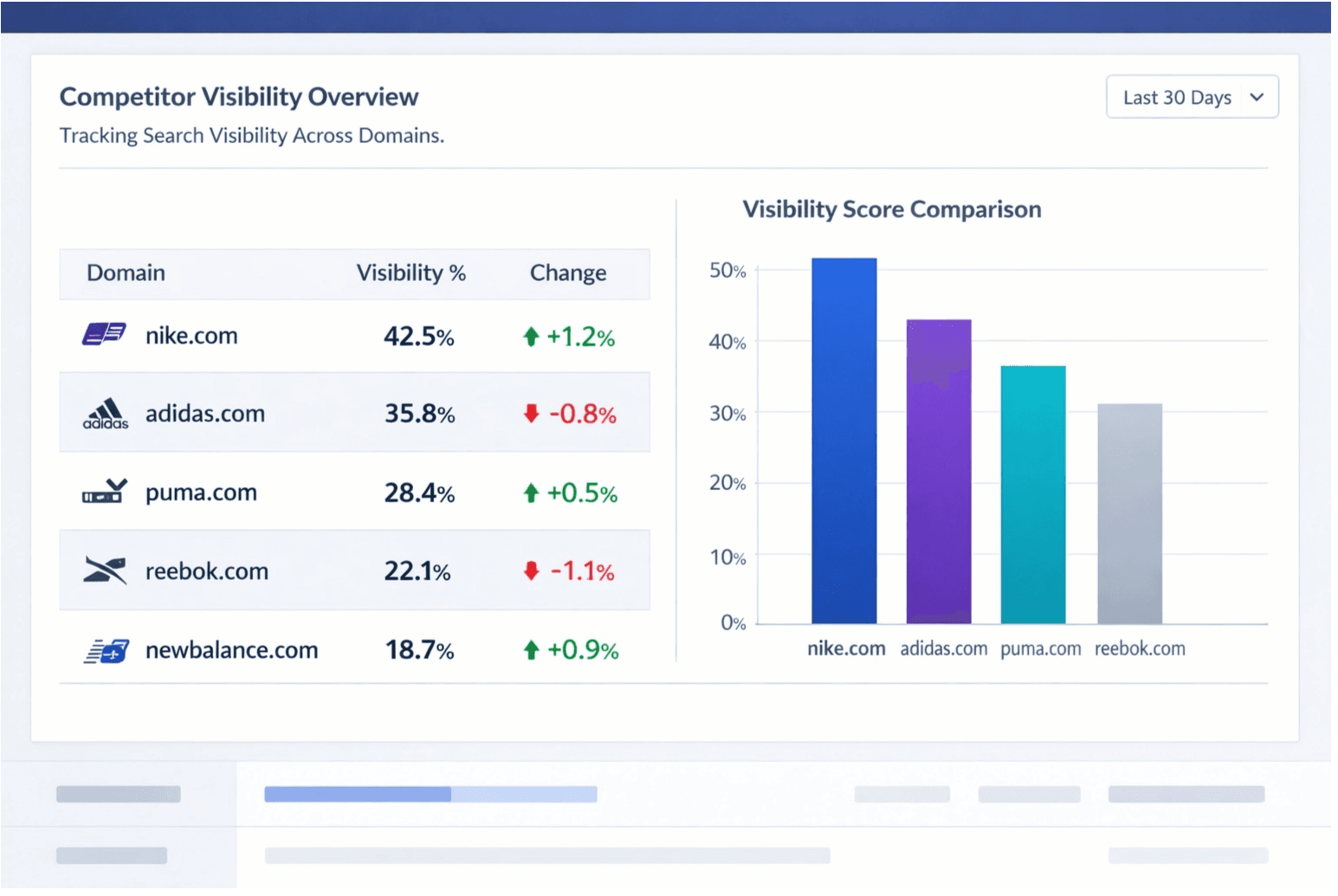
Category Segments
Group companies by intent and industry filters.
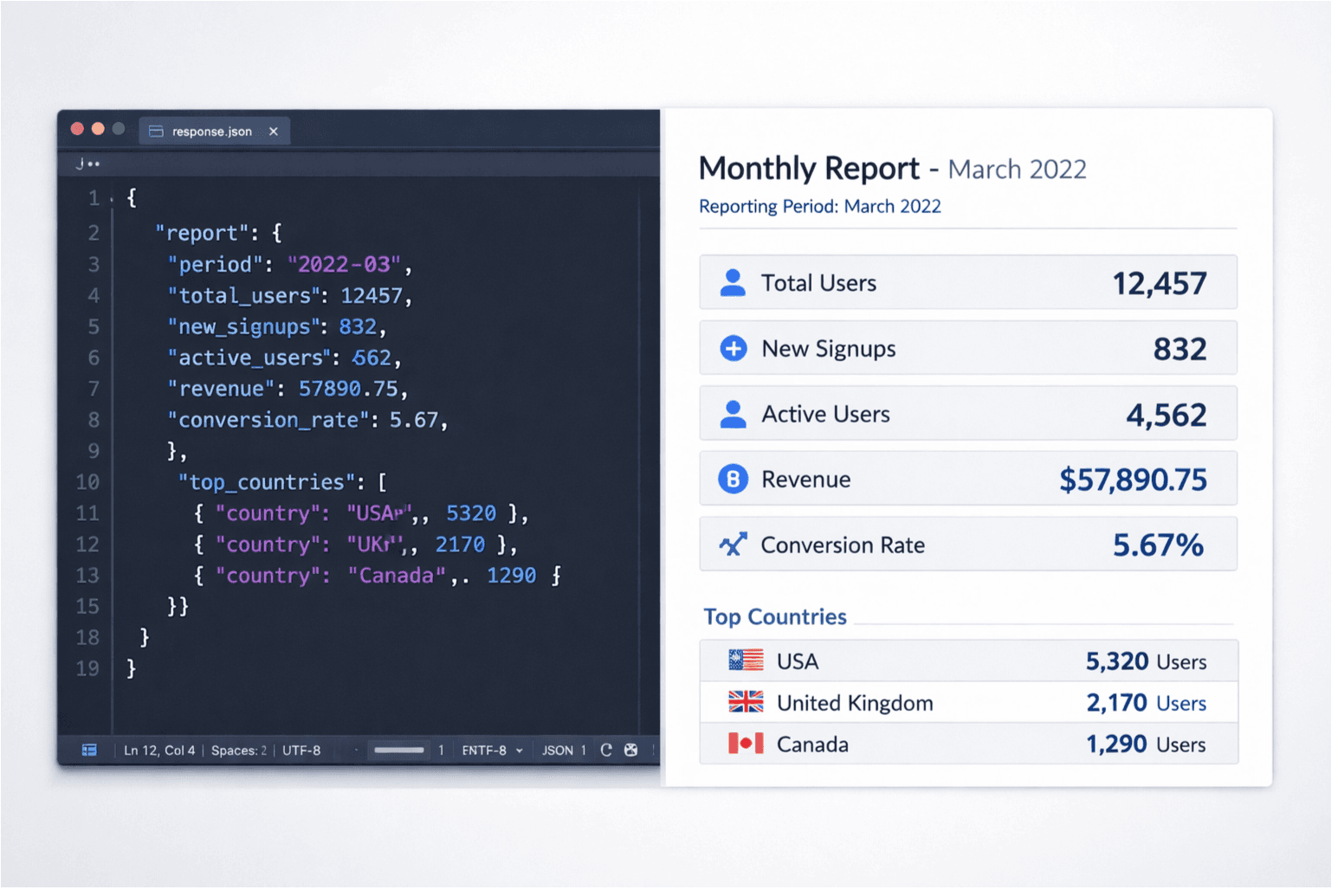
CRM Enrichment
Auto-populate records with structured web signals.
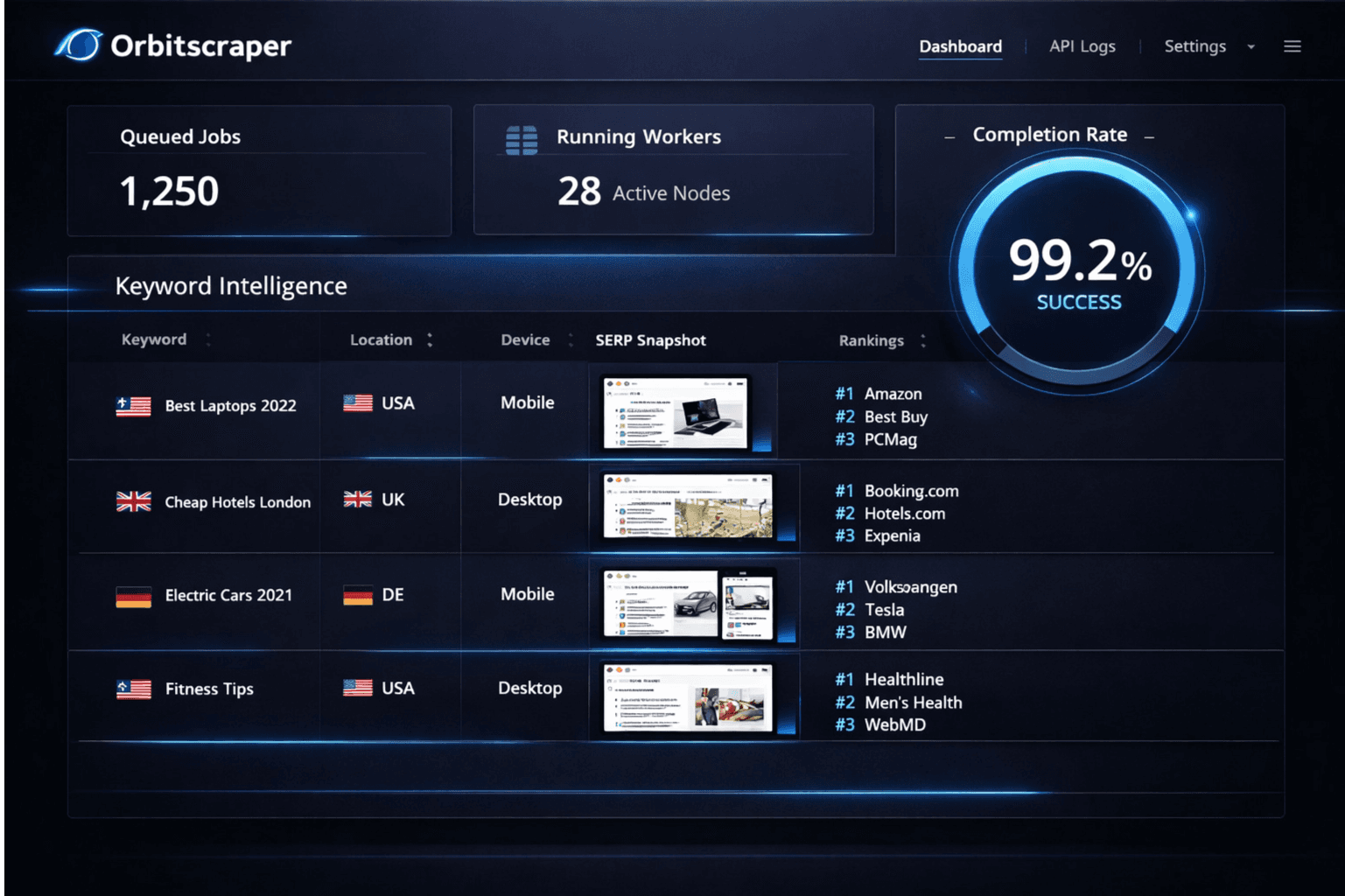
Outreach Readiness
Prepare sales-ready queues with fresh data.
Responsible Use
OrbitScraper provides access only to publicly available business information and is intended for research, analytics, and software integration purposes.
Why Automate Data Collection?
- Businesses track hundreds to thousands of external data points daily
- Manual monitoring does not scale with growing datasets
- Automated workflows reduce repetitive operational tasks
- APIs enable real-time data integration into applications