
Content Monitoring API for Brand Coverage and Topic Discovery
Content monitoring is really two workflows: watching new coverage as it appears in search, and mining the SERP for the questions and adjacent topics your audience cares about. OrbitScraper supports both patterns through the same search endpoint with different parameters and response fields.
Who this is for
Built for PR and communications teams, content strategists, editorial teams, digital media analysts, and brand monitoring platforms.
What teams use it for
- Run near-real-time brand and news monitoring with tbm set to nws.
- Use people_also_ask and related_searches to build editorial calendars from actual search questions.
- Compare result sets over time and alert when new publishers or headlines appear.
Visual reference
Existing OrbitScraper-style dashboards and workflow surfaces related to this use case.
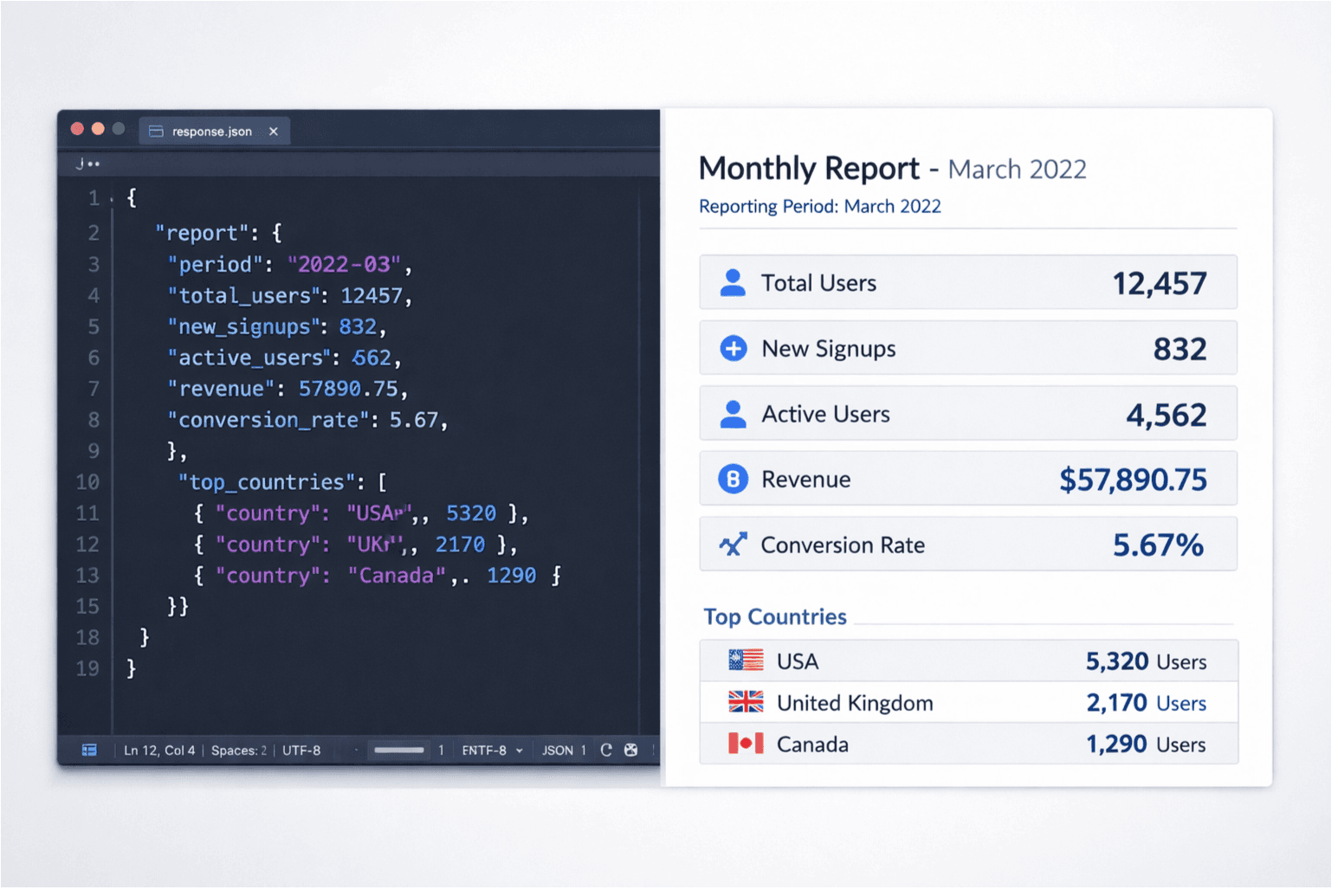
Coverage alerts
Teams can monitor new coverage and source-domain changes from one structured result feed.
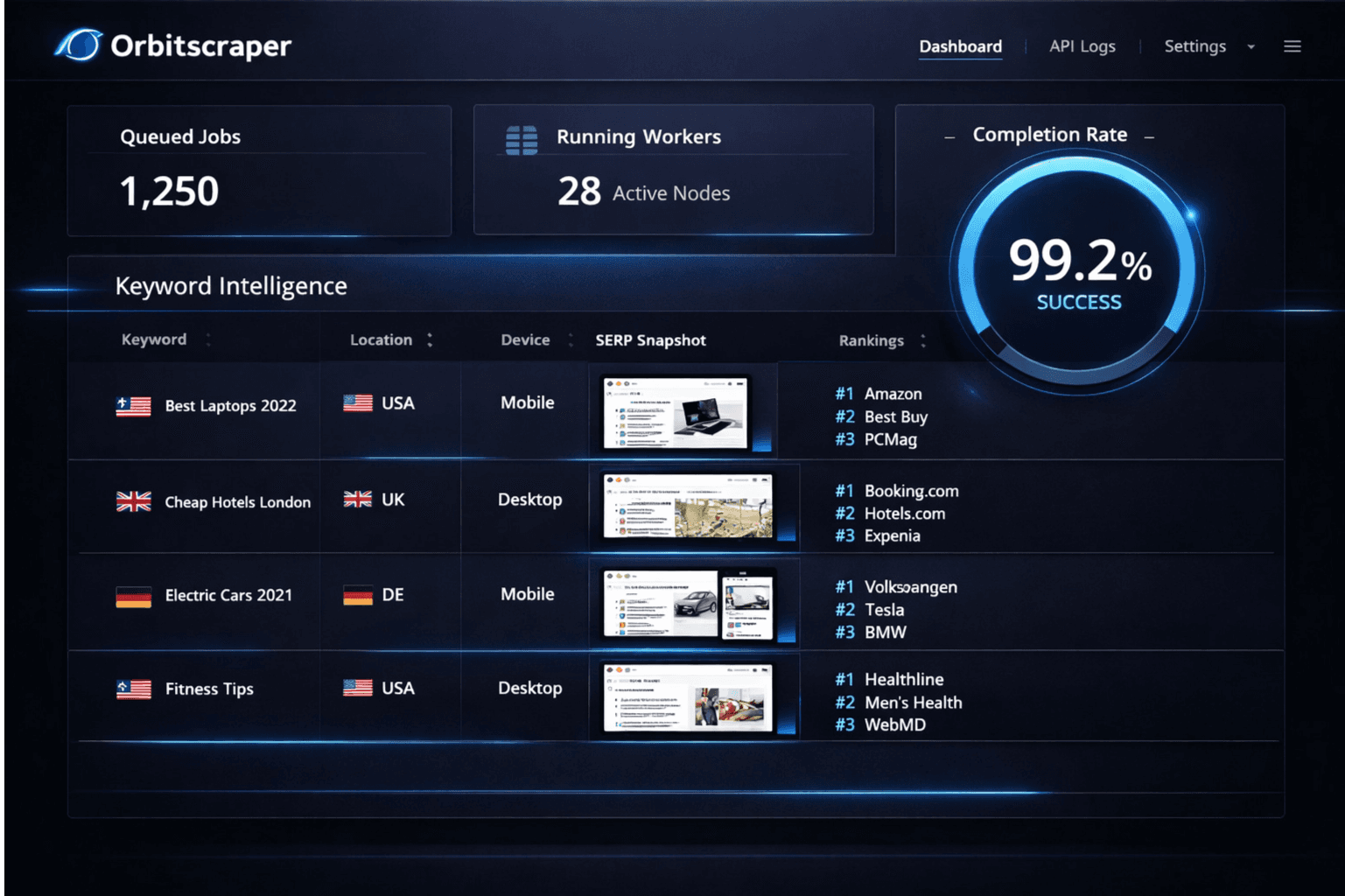
News result panel
Keep brand-related stories visible through recurring news searches.
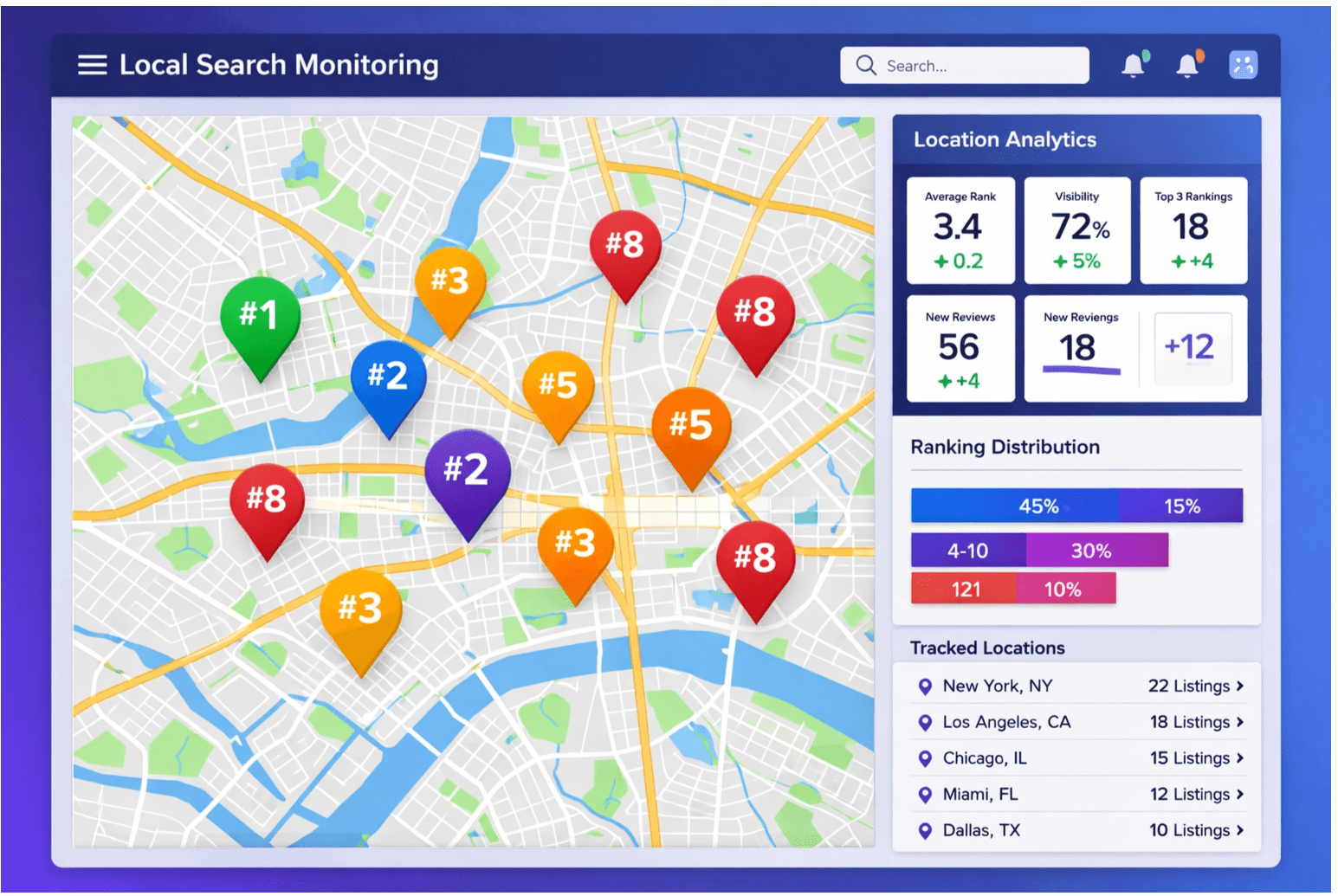
Trend pulse
Use query modules to see which topics are getting attention now.
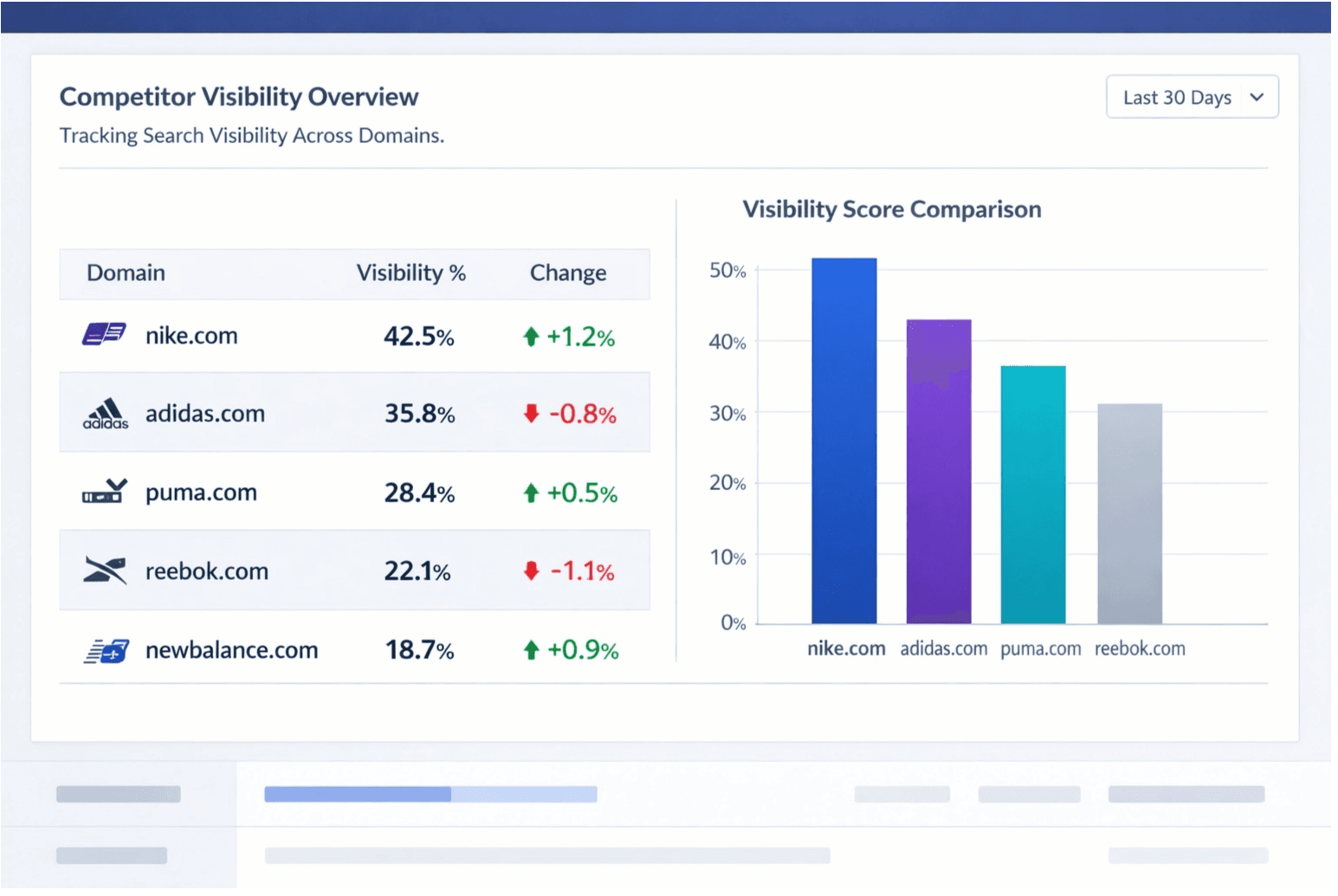
Source map
Track which domains show up repeatedly for the same monitored topics.
Sub-workflow 1: Brand and news monitoring
Use the news vertical to track brand mentions and breaking stories across news search in near real time. This is the pattern PR and communications teams use when they need headline-level visibility without building a crawler for every publication.
- organic_results[].title gives the article headline for alerting and review.
- organic_results[].link gives the article URL you can store or send to Slack or email.
- organic_results[].snippet gives a fast summary before a human clicks through.
- organic_results[].displayed_link shows the source domain so you can track publisher pickup.
News monitoring request
curl -X POST "https://api.orbitscraper.com/v1/search" \
  -H "x-api-key: ORS_your_key" \
  -H "Content-Type: application/json" \
  -d '{
    "q": "YourBrand OR "Your Brand Name"",
    "tbm": "nws",
    "time_period": "past_day",
    "num": 20
  }'
Sub-workflow 2: Content gap and topic discovery
The same API becomes an editorial planning tool when you switch away from news-only monitoring and focus on buyer questions. people_also_ask and related_searches are often the highest-signal modules for content strategy teams.
- Mine people_also_ask[] from large query sets to build article, FAQ, and content-brief backlogs.
- Use related_searches[] for topic expansion and semantic clustering.
- Compare how question modules shift month over month to see when a category is evolving.
Topic discovery request
{
  "q": "content marketing strategy for B2B SaaS",
  "num": 20,
  "time_period": "past_month"
}
Key parameters
- tbm: nws restricts the result set to the news index and is essential for breaking-coverage monitoring.
- time_period: past_day keeps brand-monitoring queries fresh and catches same-day coverage.
- time_period: past_month is useful when editorial teams want a broader trend window.
- people_also_ask[] is the fastest route to question extraction for content planning.
- related_searches[] helps editorial teams expand topic clusters without manual guesswork.
Who uses this in practice
- PR teams monitoring brand coverage and publication pickup.
- Editorial teams discovering content gaps and FAQ opportunities.
- Digital media analysts watching query momentum and topic movement.
- Brand-monitoring platforms turning recurring search checks into alerts and dashboards.
Build this workflow with OrbitScraper
Start with the product tags above, wire the request pattern into your app, and use the structured response fields that match this workflow. OrbitScraper is most valuable when your team stops manually checking search results and starts treating search data like a dependable input to software.