
Ad Intelligence API for Paid Search Monitoring
Paid search teams care about where commercial-intent queries point, which landing pages dominate them, and how intent changes across engines and markets. OrbitScraper's current public SERP contract is strongest at that commercial-query monitoring layer: detected_intent, normalized organic_results, related_searches, and query-by-query engine comparison.
Who this is for
Built for PPC analysts, paid search managers, growth marketers, performance agencies, and competitive intelligence teams tracking search coverage across Google, Bing, Brave, and DuckDuckGo.
What teams use it for
- Monitor commercial-intent queries and the landing pages that win them.
- Use detected_intent to prioritize which keyword sets matter most to growth teams.
- Compare the same query across engines and markets without changing the integration pattern.
Visual reference
Existing OrbitScraper-style dashboards and workflow surfaces related to this use case.
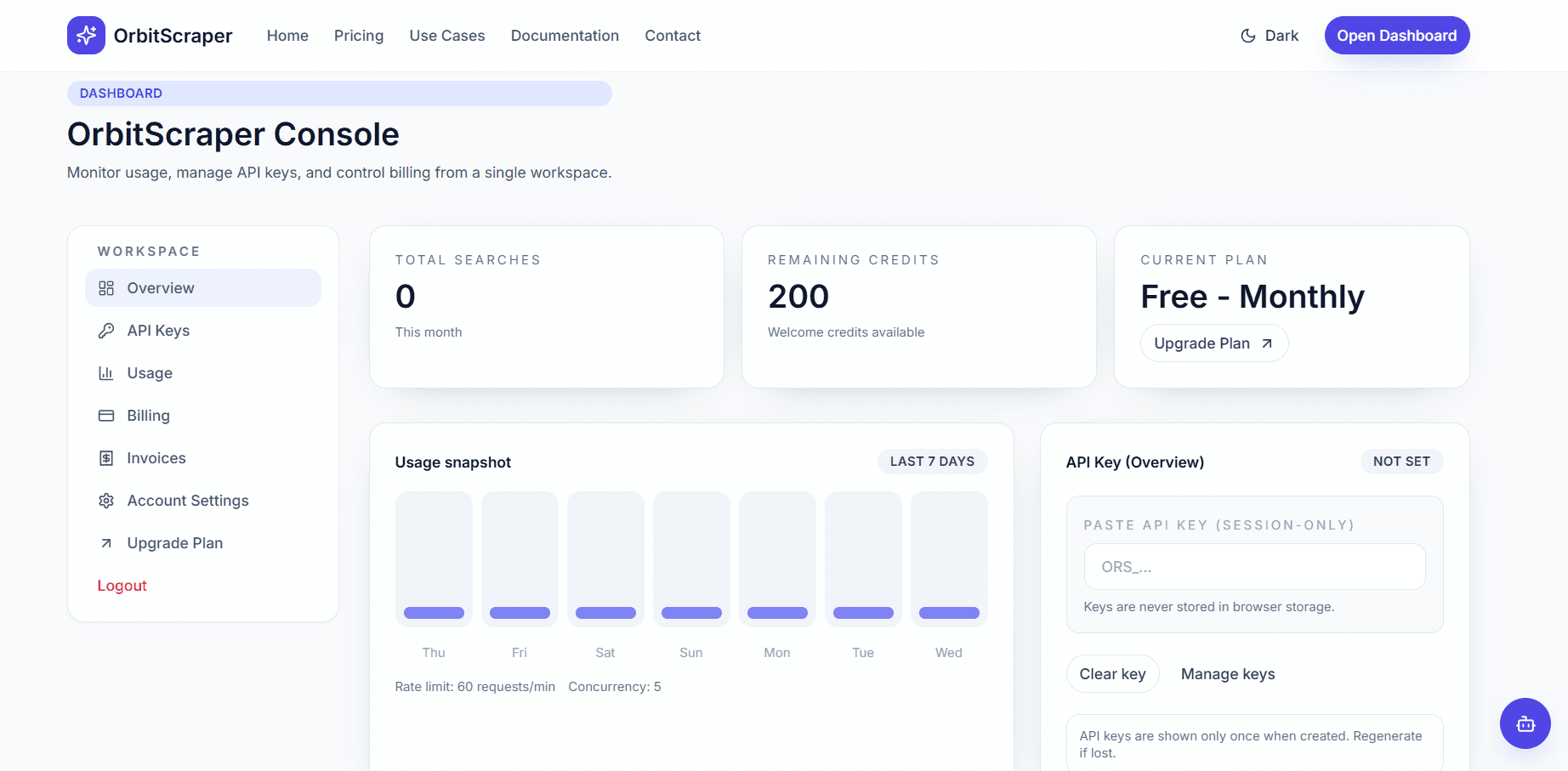
Commercial SERP monitoring
Track landing-page ownership across bottom-of-funnel search terms.
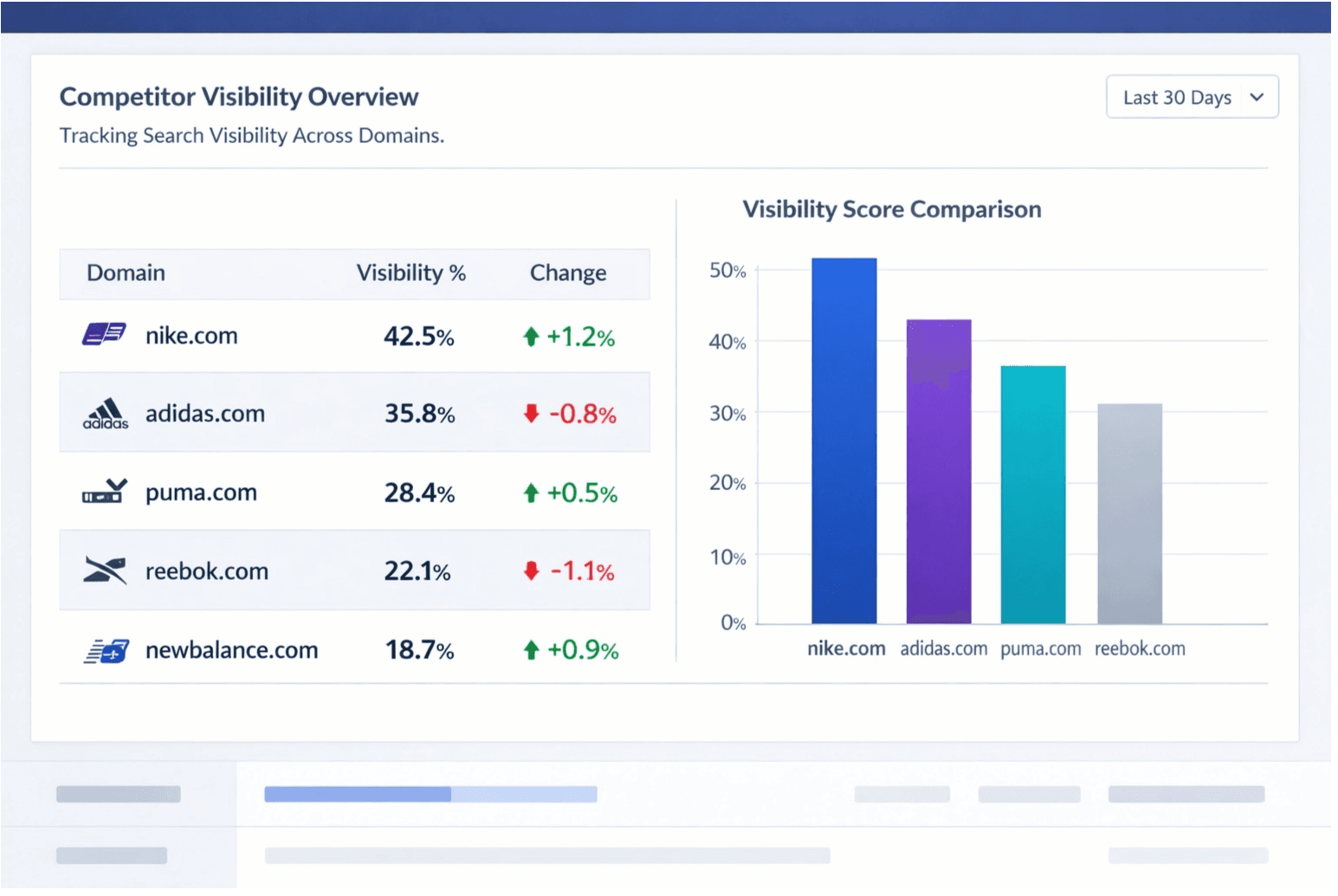
Competitive query map
Compare how the same buying-intent query behaves across competitors and markets.
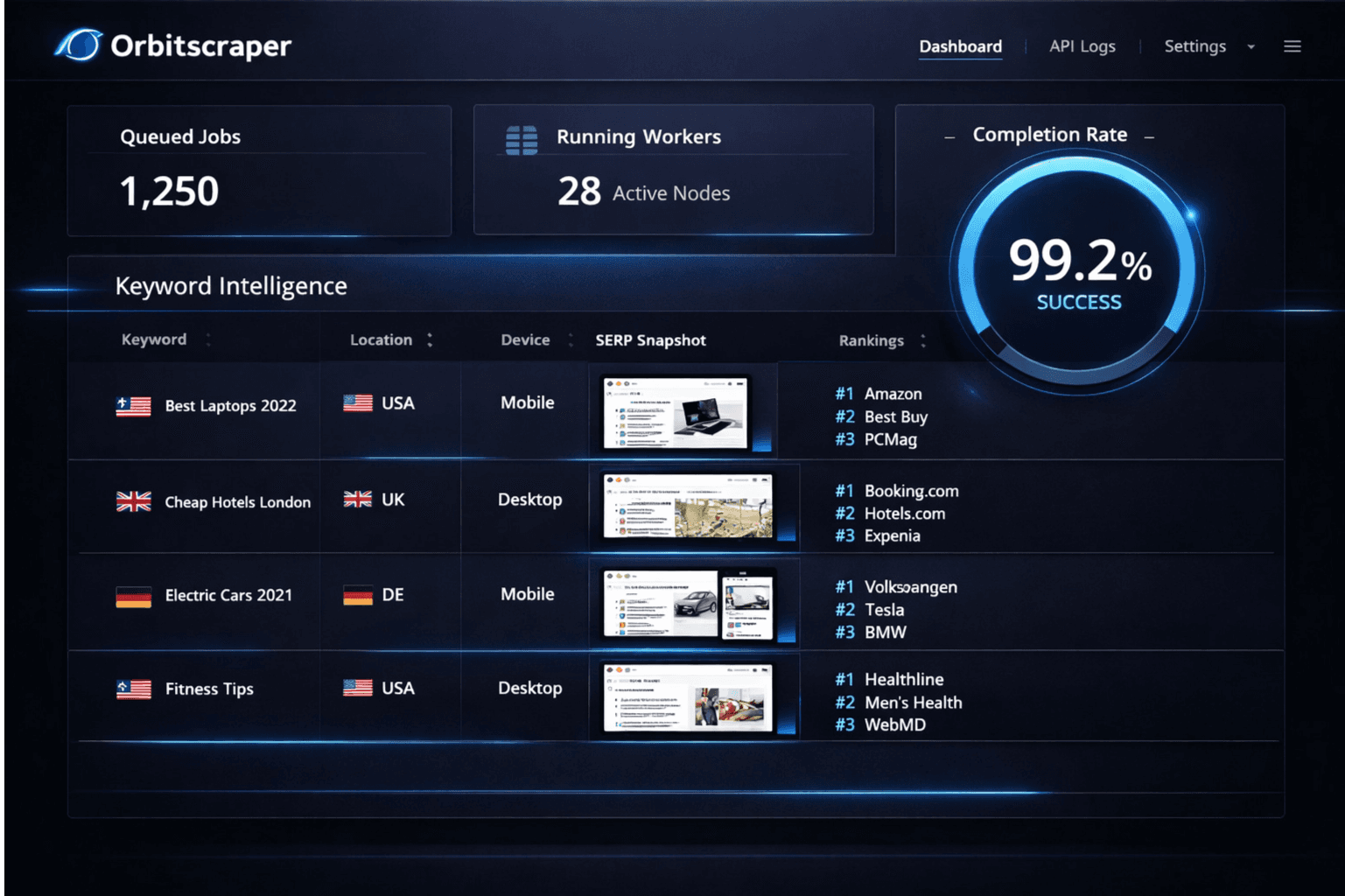
SERP snapshot view
Store query-level snapshots for review, scoring, and alerting.
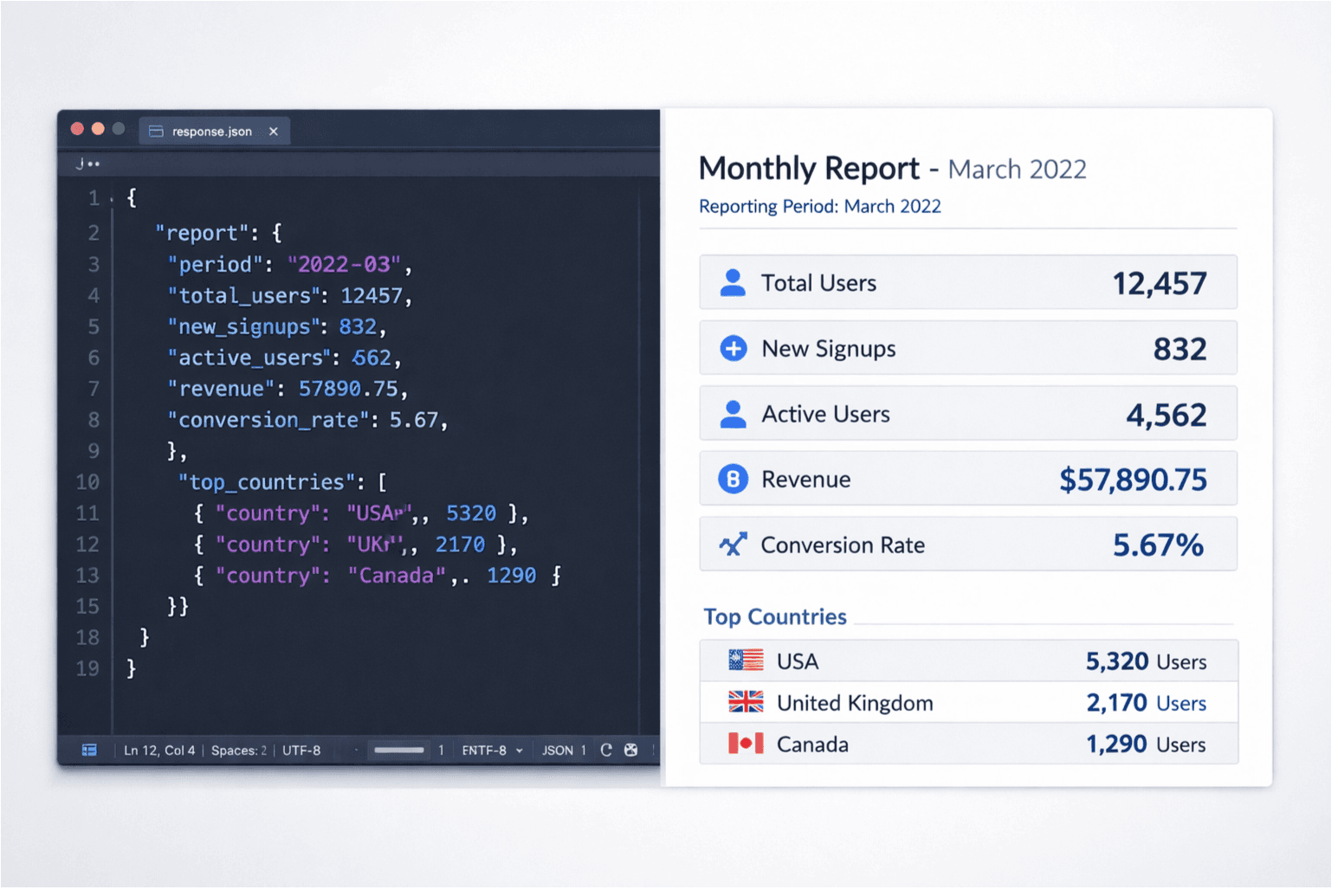
Reporting workspace
Turn recurring query checks into reports for growth and paid-search teams.
What the API returns for paid-search-adjacent monitoring
The current OrbitScraper public response is best used for commercial-query monitoring rather than direct ad-copy extraction. Teams use detected_intent, organic_results, related_searches, and search_information to understand who owns high-intent queries and how the query landscape changes over time.
Commercial query request
curl -X POST "https://api.orbitscraper.com/v1/search" \
  -H "x-api-key: ORS_your_key" \
  -H "Content-Type: application/json" \
  -d '{
    "q": "crm software for startups",
    "engine": "google",
    "gl": "us",
    "num": 10
  }'
Fields growth teams usually store
{
  "detected_intent": "commercial",
  "organic_results": [
    {
      "position": 1,
      "title": "CRM Built for Startups",
      "link": "https://competitor.com/crm",
      "displayed_link": "competitor.com",
      "snippet": "Close more deals with less effort."
    }
  ],
  "related_searches": [
    { "query": "best crm for startup sales teams" }
  ]
}
Use cases for commercial query data
- Competitor landing-page monitoring: track how often the same competitor domain shows up on high-intent keywords.
- Keyword intent classification: use detected_intent to separate informational research terms from commercial or product terms.
- Multi-engine coverage: run the same query across Google, Bing, Brave, and DuckDuckGo to see where competitors are strongest.
- Trademark query monitoring: keep an eye on brand-plus-category searches that matter to your paid and organic programs.
- Share of voice: count how often a competitor appears in top positions across a target keyword set over time.
Code example — competitor commercial query monitoring
Python monitoring script
In production, poll GET /v1/search/:jobId after the queue response, then filter organic_results for the competitor domain and store detected_intent with the snapshot.
import json
import requests

API_KEY = "ORS_your_key"
KEYWORDS = ["crm software", "crm for startups", "best crm 2026"]
COMPETITOR_DOMAIN = "competitor.com"

for keyword in KEYWORDS:
    response = requests.post(
        "https://api.orbitscraper.com/v1/search",
        headers={"x-api-key": API_KEY, "Content-Type": "application/json"},
        json={"q": keyword, "engine": "google", "gl": "us", "num": 10},
        timeout=30,
    )
    response.raise_for_status()
    payload = response.json()
    print(json.dumps({"keyword": keyword, "jobId": payload["jobId"]}, indent=2))
Key parameters for ad intelligence
- engine: run the same query across multiple engines to see where competitors prioritize search visibility.
- gl: compare country-by-country differences in commercial query composition.
- device: mobile and desktop often show different landing-page competition and query layouts.
- detected_intent: use as a routing signal for growth and paid-search workflows.
Who uses this
- PPC agencies monitoring competitor visibility on client keyword sets.
- In-house growth teams tracking which landing pages keep winning commercial queries.
- Competitive intelligence teams comparing bottom-of-funnel query coverage across markets.
- Brands watching trademark or brand-plus-category searches over time.
Build this workflow with OrbitScraper
Start with the product tags above, wire the request pattern into your app, and use the structured response fields that match this workflow. OrbitScraper is most valuable when your team stops manually checking search results and starts treating search data like a dependable input to software.